

Choosing between blank cards and preprinted cards is not mainly a question of which card is better. It is a decision about when each part of the card should be completed, who will complete it, and how often the project needs to change after cards have been delivered.
A useful starting point is to separate two kinds of information. Fixed content includes the background design, brand elements, standard instructions, and any visual elements that are not expected to change from card to card. Variable content includes the cardholder name, photo, number, department, issue date, or other project-specific information. Once those two groups are clear, the delivery path becomes easier to evaluate.
Start With the Personalization Stage, Not the Card Name
A blank-card delivery path leaves the card body open for a later personalization process. The buyer receives card stock and completes the required visual or variable elements after delivery, using the process chosen for that project. This path keeps the timing of those later steps under the buyer's control.
A preprinted path moves fixed artwork upstream. The manufacturer applies the agreed background design before delivery, while variable information can still be added later when the project requires it. In this article, “preprinted” means that fixed artwork is completed before delivery. It does not automatically mean that every personalization step has already been completed.
That distinction matters because a card can have a preprinted background and still require later cardholder-specific work. It also prevents a common mistake: treating a card as either fully blank or fully finished when the real project may sit between those two ends.
Compare the Paths Against Your Actual Project Conditions
The right path depends on the project conditions, not on a general rule about card stock. Start by asking five questions:
- Is the background artwork stable, or is it likely to change?
- How much of the card content is different for each cardholder?
- Who will handle later personalization, and when will that work happen?
- Will cards be issued in one planned run, in repeated batches, or as replacements?
- Do the card material, surface, or agreed factory-side processes affect when work needs to be completed?
These questions turn a product comparison into an operating decision. They also make it easier for purchasing, design, and the team responsible for later issuance to work from the same plan.
When Blank Cards Are the Better Starting Point
Blank cards are a strong starting point when the project needs to keep more visual or variable work open after delivery. This can be useful when cardholder information changes often, when cards are issued in smaller cycles, or when the project team wants to control when individual cards are personalized.
The important point is not simply that the cards are blank. The project must also define who owns the later work. Before choosing this path, clarify the artwork elements that will be applied later, the variable fields to be added, the expected replacement pattern, and the local process used to complete each card. The article should not assume that every card printer, ribbon, or material combination is suitable; those details require project-specific confirmation.
When a Preprinted Path Deserves Consideration
A preprinted path deserves consideration when the fixed artwork is settled and should be consistent across the card program. Moving a stable background design upstream can simplify the division between fixed visual content and later variable information.
Before choosing this route, separate the fixed elements from the fields that will still change. Confirm which side of the card carries the fixed artwork, which elements will be added later, and whether any agreed manufacturing-side processes are part of the order. A preprinted path should be described by its confirmed scope, not by a broad promise about quality, speed, or cost.
When a Hybrid Path Separates Fixed Artwork From Variable Data
Many projects do not need a pure blank or pure preprinted solution. A hybrid path can place fixed artwork at the manufacturing stage while leaving cardholder-specific information for a later process. This is often the clearest way to separate a stable brand background from information that must remain flexible.
The handoff for a hybrid project needs extra care. The team should identify the fixed artwork, the variable fields, the order in which later personalization occurs, and any surface or process requirements that affect that sequence. The possibility of a hybrid path does not remove the need to confirm the actual production and local-personalization workflow.
Include Cost, Volume, and Reorder Patterns Without Assuming a Winner
Cost and volume appear frequently in buyer research, but they should not be reduced to a single per-card comparison. A useful project comparison gathers the inputs that create the actual work: artwork preparation, the number and size of card batches, replacement or reissue frequency, local labor, personalization consumables, and any manufacturing-side work requested before delivery.
Those inputs can point in different directions for different projects. A program with a stable background and predictable runs may organize its work differently from a program that must issue cards at changing times. The article should help readers identify the inputs that need to be compared, rather than claiming that blank cards or preprinted cards always cost less.
Use Material and Finish Requirements to Complete the Decision
Card material, surface, and factory-side process requirements are part of the path decision, not a separate step that happens afterward. The order in which a card is printed, finished, and later personalized can affect what information the project needs to prepare before ordering.
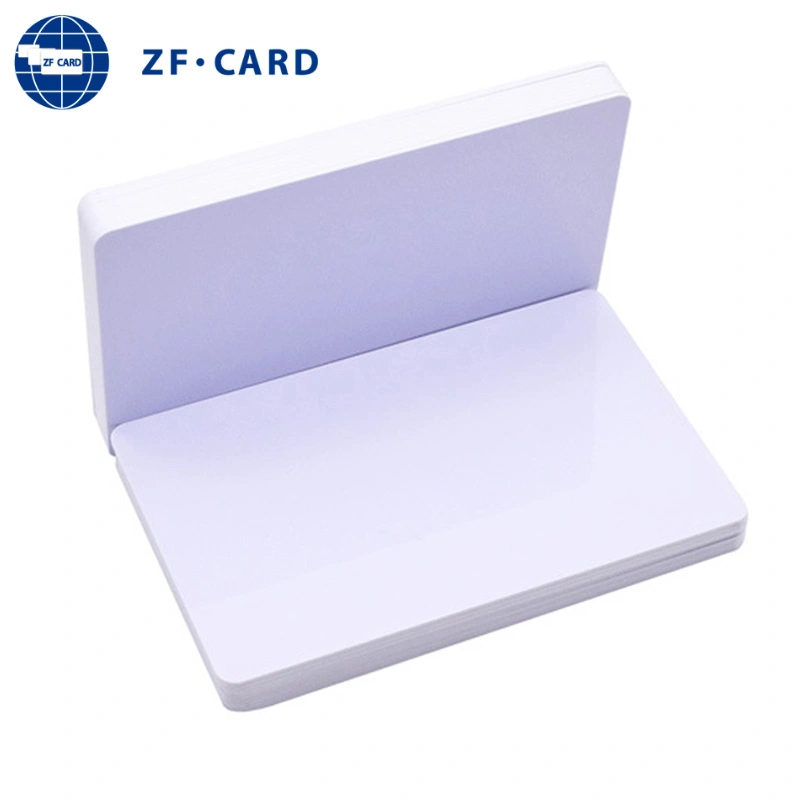
Blank Cards stock to specify before later personalization.
For example, a buyer may need to discuss a material choice, a surface preference, fixed artwork, or an agreed finishing requirement before deciding how much work to keep for the later personalization stage. ZFCARD's Blank Cards category page is the appropriate next reference when the reader needs to review card-body materials and available manufacturing discussion points.
Do not turn material names into automatic path recommendations. A project still needs to confirm its own artwork, later personalization method, and planned card use before finalizing the combination.
Build a Handoff That Matches the Chosen Path
A clear handoff prevents the blank, preprinted, and hybrid paths from being discussed only in general terms. The following information is enough to begin a focused specification discussion:
- Fixed artwork: what remains identical across the card program?
- Variable fields: what changes by cardholder, issue, or replacement?
- Personalization responsibility: who completes the later work, and at what stage?
- Card-body requirements: which material, surface, or agreed manufacturing-side processes need discussion?
- Operating pattern: how will cards be issued, replenished, or replaced?
- Cost inputs: which artwork, batch, local-process, consumable, and factory-side inputs should be included in the comparison?
- Sample point: what needs to be checked before the full project moves forward?
This is not a full RFQ form. It is a practical way to make sure the delivery path matches the way the card program will operate.
Conclusion: Keep the Right Work at the Right Stage
Blank cards, preprinted cards, and hybrid paths each organize work differently. The most useful choice is the one that places fixed artwork, variable information, and any agreed manufacturing work at the stage where the project can manage them clearly.
Start with the stability of the design, the amount of variable information, the issuance and replacement pattern, the local personalization responsibility, and the material or finish requirements. Then compare the actual cost inputs instead of assuming that one delivery path wins in every situation.
If you are preparing a blank-card, preprinted, or hybrid card project, share the fixed artwork, variable fields, intended delivery stage, and card-body requirements through Contact Us to discuss the appropriate sample or specification path.