Why Choose ZFCARD for Custom RFID Cards?
Factory-Direct Manufacturing
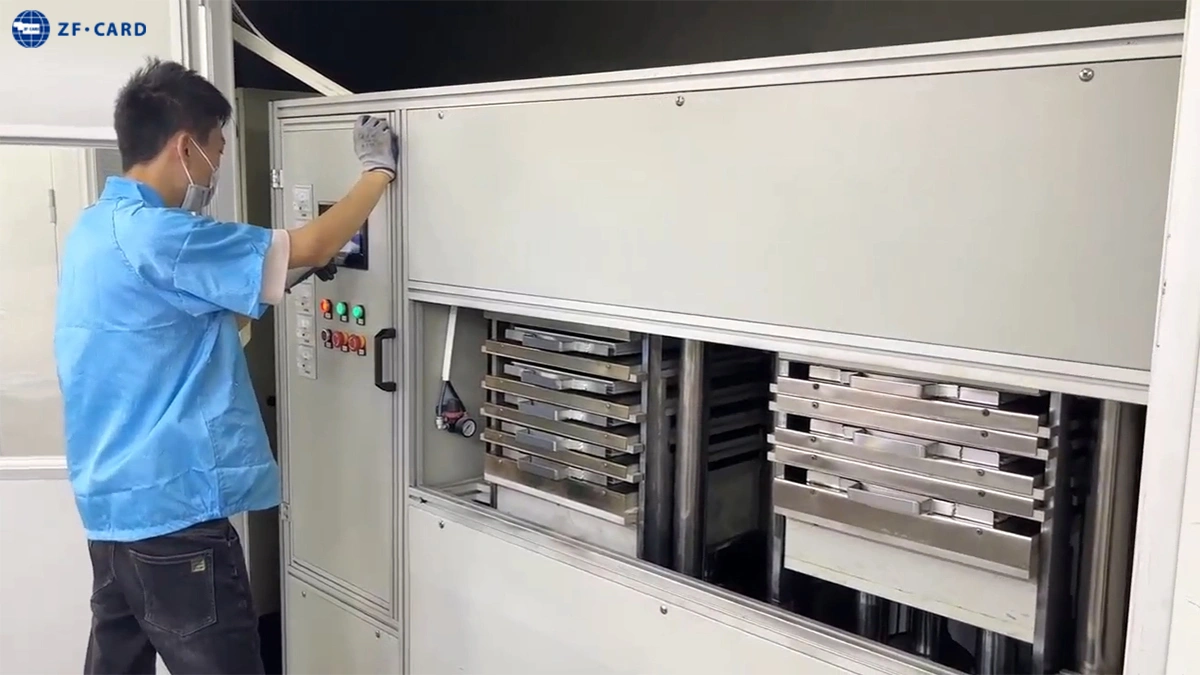
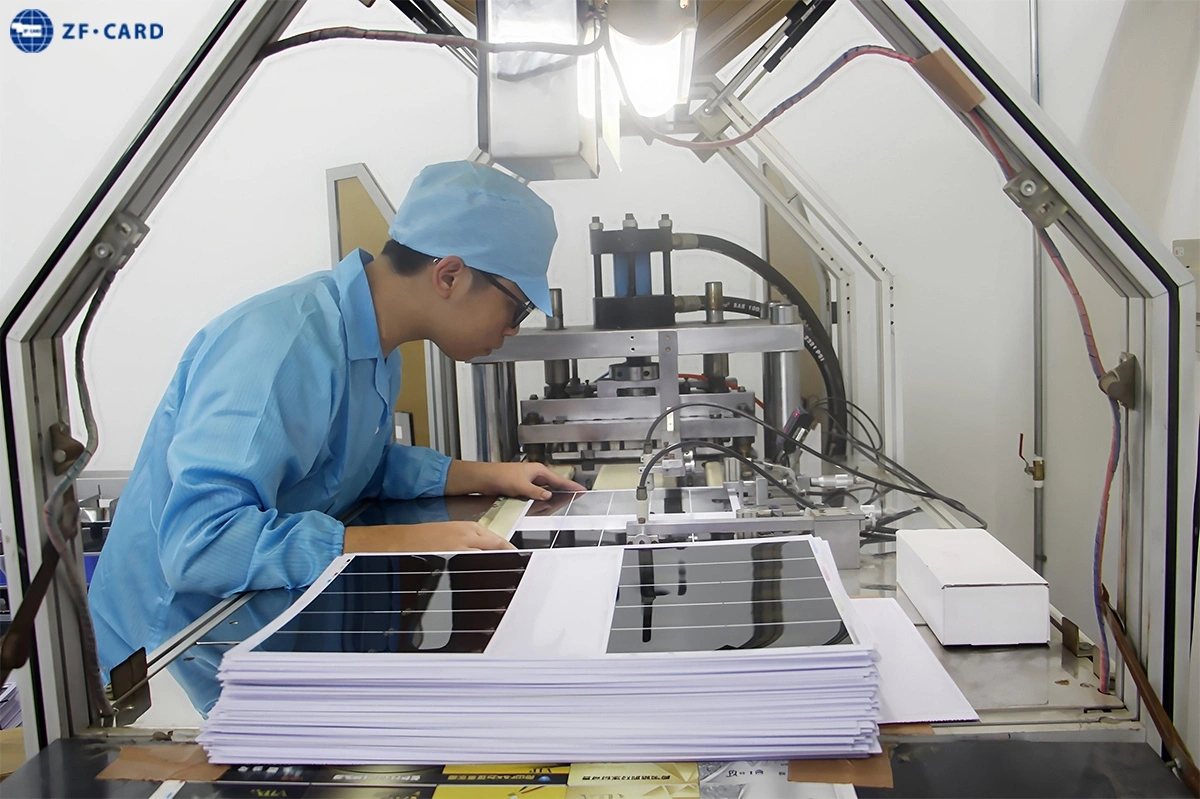
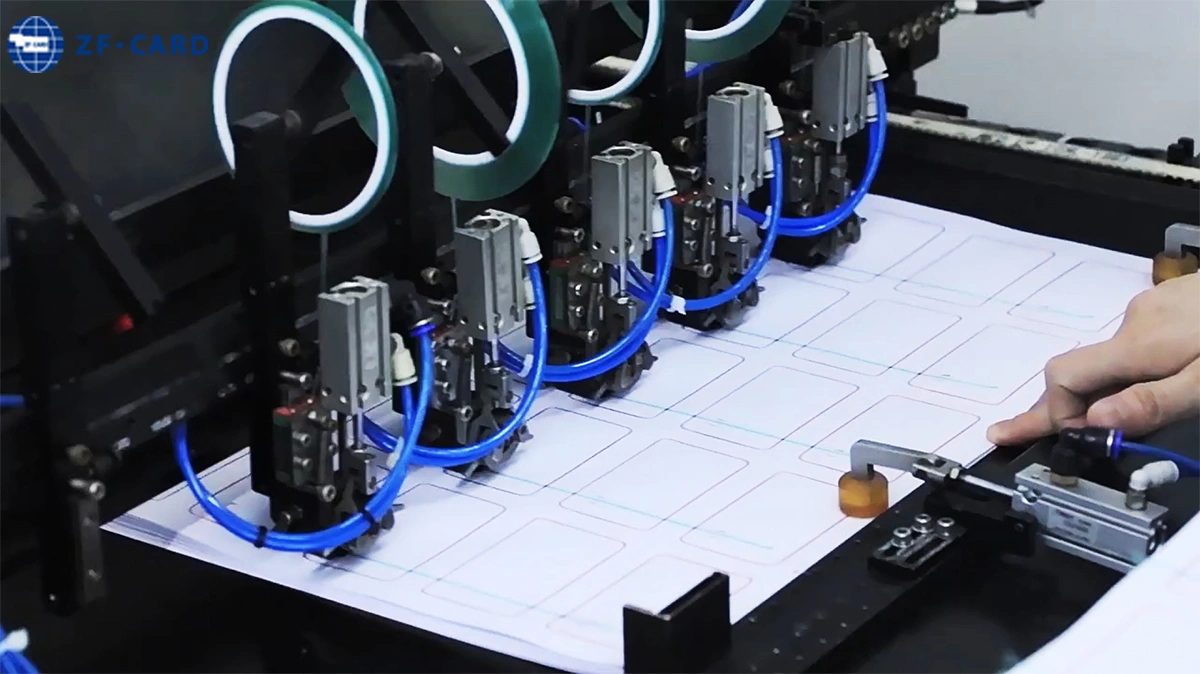
28+ years as a source factory, with a 15,000+ m² clean workshop and 10+ RFID card production lines. ZFCARD controls production from chip bonding to finished RFID cards.
Mass Production Capacity
50M+ cards monthly capacity, supporting programs from sampling to million-piece orders. A 3–5 day lead time may be available for eligible bulk orders, subject to production scheduling and order requirements.
Full Frequency & Chip Coverage
Support for 125 kHz (T5557/EM), 13.56 MHz (MIFARE/NFC), and UHF RFID cards, compatible with hotel locks, access-control, membership, and payment systems.
Complete Customization
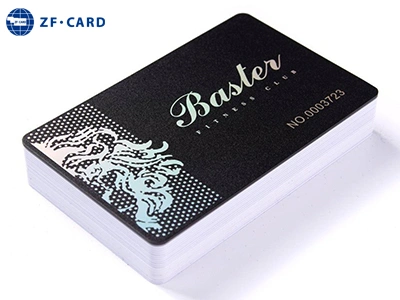
Custom printing, chip encoding, inkjet-printable blank cards, and PVC, Bio PVC, or wood material options, with OEM/ODM support.
International Certifications
ISO 9001, ISO 14001, ISO 45001, REACH, FSC, FCC, CE, and RoHS certifications for strict markets such as the EU and US.
Trusted by Global Brands
Verified supplier experience with Hilton, Marriott, BYD, Tesla, Walmart, and Tesco for hotel and large-scale programs.
Explore RFID Card Options for different frequencies, chip types, and customization requirements.
How We Verify RFID Card Quality
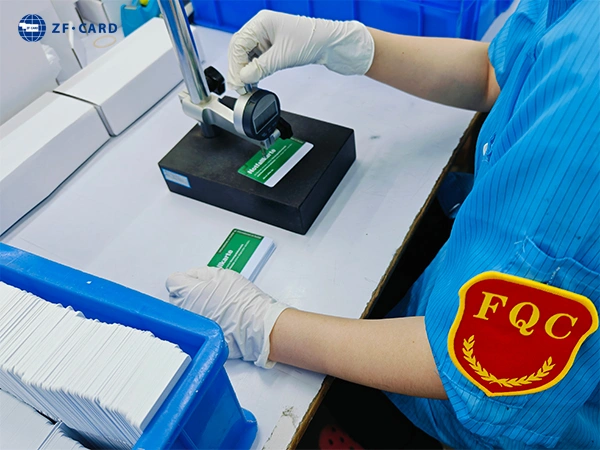
RFID card quality goes beyond appearance. ZFCARD checks chip compatibility, print quality, encoding, and final card performance against the approved sample and project requirements.
Specification and Reader Compatibility Review
Before production, ZFCARD confirms the chip type, frequency, target reader system, artwork, and encoding format against the project requirements.
Sample Approval Before Production
A sample is reviewed and approved before mass production begins.
Encoding Verification
Written data is re-read and checked against your code table to identify encoding errors before shipment.
Final Visual and Chip-Read Inspection
Finished cards undergo visual inspection and chip-read checks before shipment.
Inspection Records Available on Request
Inspection records and supporting documentation are available on request.
RFID Card FAQs
How Do I Choose Between 125 kHz, 13.56 MHz, and UHF RFID Cards?
Match the card to your existing reader or lock system. 125 kHz (T5557/EM) suits older access-control and ID card systems. 13.56 MHz (MIFARE/NFC) is widely used for hotel locks, membership, payment, and mobile interaction. UHF is designed for long-range identification, including warehousing, vehicle management, and asset tracking.
Are All MIFARE Cards Interchangeable?
No. MIFARE Classic, MIFARE Plus, and MIFARE DESFire use different security levels and are not drop-in replacements for one another.
Can You Verify Card Compatibility with My System?
Yes. Before production, ZFCARD verifies the system’s technical parameters. Wrong frequencies, incompatible encryption, and incorrect data formats can be identified before manufacturing.
Can an NFC-Enabled Phone Read Your 13.56 MHz Cards?
Only in some cases. Phones can read cards that comply with NFC Forum standards, such as NTAG and MIFARE Ultralight, as well as some MIFARE Classic use cases. Hotel cards written by a lock system are usually encrypted and cannot typically be read or interpreted by a phone without the appropriate credentials or app.
Should I Choose PVC or Eco-Friendly Card Materials?
PVC provides a practical balance of cost, print quality, and durability. Bio PVC and wood cards can support environmental goals and brand ESG requirements. Applicable compliance requirements should be confirmed for the selected material.
What If the Cards Bend or Fade Easily?
Select a thicker card, such as 0.86 mm or above, or choose laminated or UV-coated surfaces to improve resistance to bending and fading.
Do You Support Logos, Pantone Colors, and Shaped Cards?
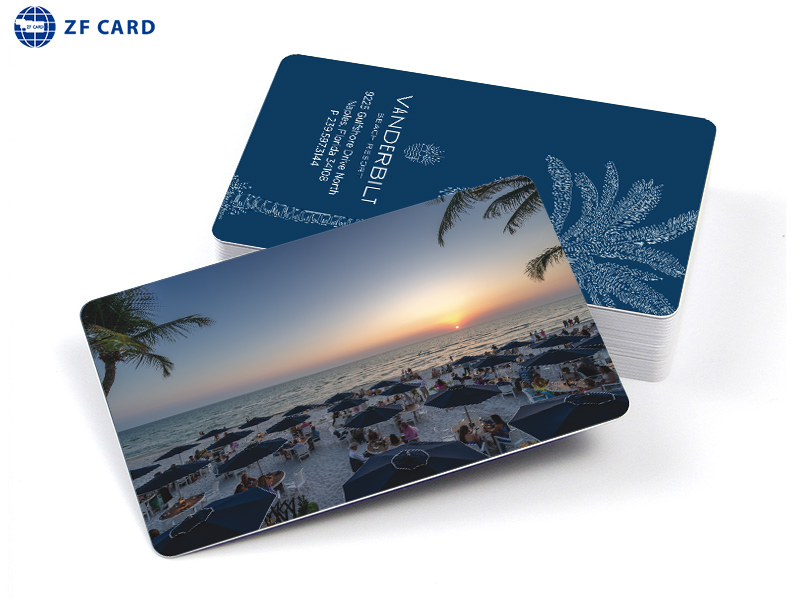
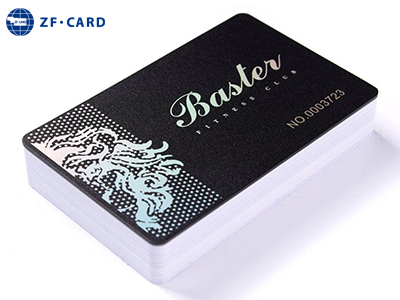
Yes. Available options include offset, silk-screen, and digital printing; Pantone spot colors; rounded corners; shaped cards; hot stamping; and signature panels. Process selection can affect lead time and MOQ.
Can You Print QR Codes, Serial Numbers, or Photos on the Card?
Yes. Variable-data printing for unique serial numbers, QR codes, and photos, together with synchronized chip encoding, is supported.
Can You Encode Cards to Our Required Format?
Yes. ZFCARD supports common hotel data formats, access-control card numbers, sector writing, and encryption. Data can be verified against your code table or master card.
Can I Review Data Verification Results Before Shipment?
Yes. Sampling or 100% inspection records, as well as a pre-shipment data-check report, can be provided.
What Is the Minimum Order Quantity?
MOQ depends on the product type and process. It is generally lowest for standard blank cards, higher for custom-printed cards, and highest for shaped cards, special chips, or complex encoding requirements.
How Long Do Samples Take, and Will They Match Bulk Production?
Regular samples typically take a few days. Mass production begins only after sample approval and follows the approved sample.
What Is the Bulk Lead Time? Can You Rush an Order?
A 3–5 day lead time may be available for eligible bulk orders, supported by a monthly capacity of 50M+ cards across 10+ RFID card production lines, subject to production scheduling and order requirements. Rush orders are evaluated according to current production scheduling.
What Does Your Quality Inspection Cover?
Inspection covers material preparation, printing, chip verification, encoding, and final inspection. Inspection records accompany shipment.
Need Help Choosing the Right RFID Card?
Tell us about your application, system, and order quantity. We’ll help you find a suitable RFID card configuration.
Get Free Quote