
In the context of digital management and brand upgrading, card-type products are playing an increasingly important role in membership systems, hotel management, access control, and brand marketing. Among these, PVC cards and wooden cards are currently the mainstream choices, each possessing distinct performance characteristics and application advantages.
This article will systematically compare PVC cards and wooden cards from multiple dimensions, including material properties, core differences, application scenarios, and sustainable development, to help companies make more informed choices.
Understanding PVC Card and Wooden Cards
PVC cards and wooden cards differ fundamentally in their material structure, processing methods, and applications, which determines that they are suitable for different business scenarios.
What is a PVC Card
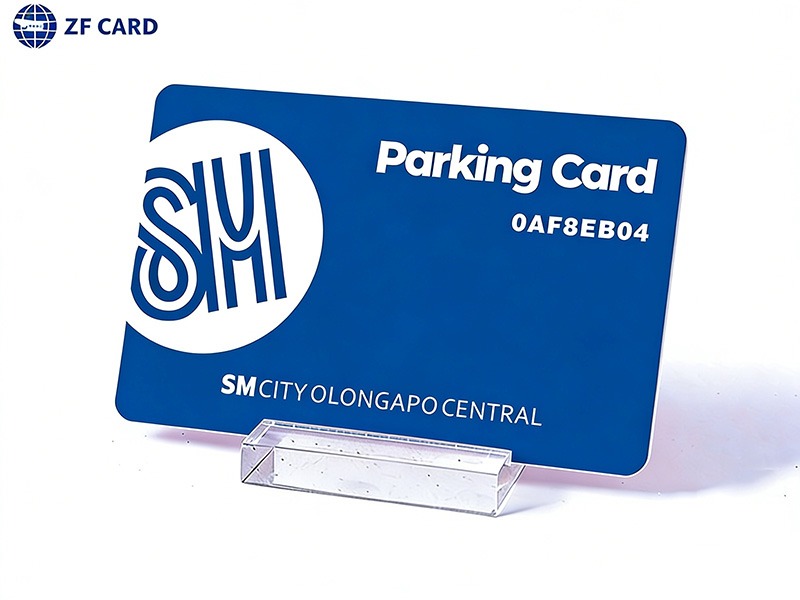
PVC cards are plastic cards made primarily of polyvinyl chloride (PVC) and are widely used in various functional card applications. Their core advantages lie in their high stability, adaptability, and mature manufacturing process.
High Durability: Excellent bending and abrasion resistance, suitable for long-term use.
Waterproof and Moisture-proof: Suitable for hotels, outdoor use, and high-frequency environments.
Excellent Printing Quality: Supports high-definition graphics and text printing with high color fidelity.
Strong Functional Integration Capability: Can embed chips, magnetic strips, etc., enabling intelligent applications by professional smart card manufacturers.
Therefore, PVC cards dominate in functional scenarios such as membership cards, hotel room cards, and access control cards.
What are Wooden Cards
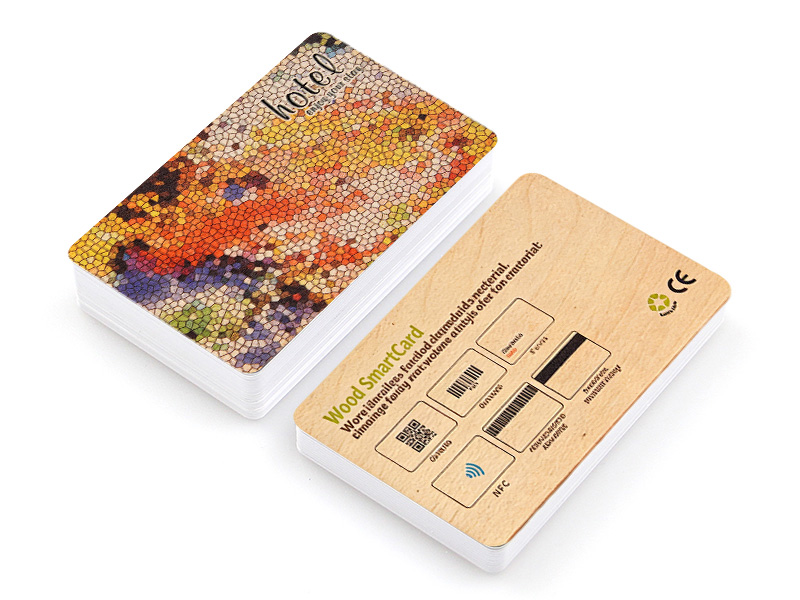
Wooden cards are made from natural wood, emphasizing visual texture and brand expression.
Natural Material: Unique texture, each card is differentiated.
Significant Environmental Attributes: Aligns with current green consumption trends.
High-End Visual Experience: Enhances brand image and perceived value for users.
Wooden cards are more suitable for display or brand-oriented applications.
Key Differences Between PVC Card and Wooden Cards
The two types of cards differ significantly in durability, visual appeal, manufacturing process, and cost control.
Durability and Physical Properties
From a long-term lifespan perspective, PVC cards have an unparalleled advantage. They are completely waterproof and moisture-proof, maintaining their physical shape even under extreme temperature conditions. For scenarios requiring frequent card swiping and insertion, PVC cards are a more practical choice
In contrast, while wooden cards undergo special moisture-proofing treatments, they are still essentially natural materials. Prolonged immersion in water or exposure to extremely dry environments may result in slight deformation or cracking.
Printing Effect and Aesthetic Style
PVC cards offer extremely high printing precision, achieving photo-quality color reproduction. If you require cards with complex colored logos, portraits, or subtle gradients, PVC cards are an excellent choice.
Due to the fibrous structure of the wood surface, wooden cards are not suitable for large-scale color inkjet printing, but they complement laser engraving techniques perfectly. Each wooden card has a unique texture.
Cost Comparison
In mass production, PVC cards have a significant cost advantage. Due to stable raw material supply and a high degree of automation in processing, the price per card is extremely low. The cost of wooden cards, on the other hand, is mainly limited by the scarcity of raw materials.
| Aspect | PVC Cards | Wooden Cards |
| Durability | Waterproof, highly durable, suitable for frequent use | Natural material, may deform in extreme conditions |
| Printing & Appearance | High-resolution, full-color printing | Best for engraving, unique natural texture |
| Cost | Low cost in bulk production | Higher cost due to material and processing |
Sustainability Considerations: PVC Card vs Wooden Cards
With increasingly stringent global environmental regulations, material sustainability has become a core factor in corporate procurement decisions.
Environmental Challenges and Improvements of PVC Cards
Traditional PVC cards contain chlorine, which releases harmful substances during disposal (especially incineration) and has an extremely long degradation cycle in the natural environment, potentially taking hundreds of years.
To address this issue, many leading smart card manufacturers have begun offering recyclable PVC (rPVC) or bio-PVC (biodegradable PVC). ZFcard is also actively promoting these environmentally friendly options, striving to maintain the functionality of PVC cards while reducing environmental pollution.
Advantages of Wooden Cards
Wooden cards are considered the most environmentally friendly smart card solution currently available.
Renewable Resources: The wood used to make wooden cards primarily comes from certified sustainable forests.
Low Carbon Footprint: Wood absorbs carbon dioxide during its growth, and its processing consumes far less energy than the plastics refining process.
Completely degradable: When wooden cards are finally discarded after fulfilling their purpose, they can decompose naturally in the soil, transforming into organic matter without causing microplastic pollution.
Application Scenarios: Choosing the Right Card for Your Need
The application scenario determines the choice of material. High-frequency, mass-market projects requiring rich colors tend to favor PVC cards; while projects emphasizing brand warmth, high-end treatment, and environmental protection are better suited to wooden cards.
Which scenarios are suitable for PVC cards
Finance and Government: Bank cards, credit cards, medical insurance cards, and resident ID cards. These sectors have extremely high requirements for security, anti-counterfeiting technology, and long-term durability; PVC cards are the industry standard.
Chain Retail and Membership Systems: Supermarket membership cards, shopping mall loyalty cards. Due to the large volume of cards issued, cost control is paramount; PVC cards can significantly reduce procurement costs while maintaining quality.
Transportation and Education: Public transport cards, student IDs, campus cards. These scenarios require cards to remain functional despite frequent friction and impact.
Which scenarios are suitable for wooden cards
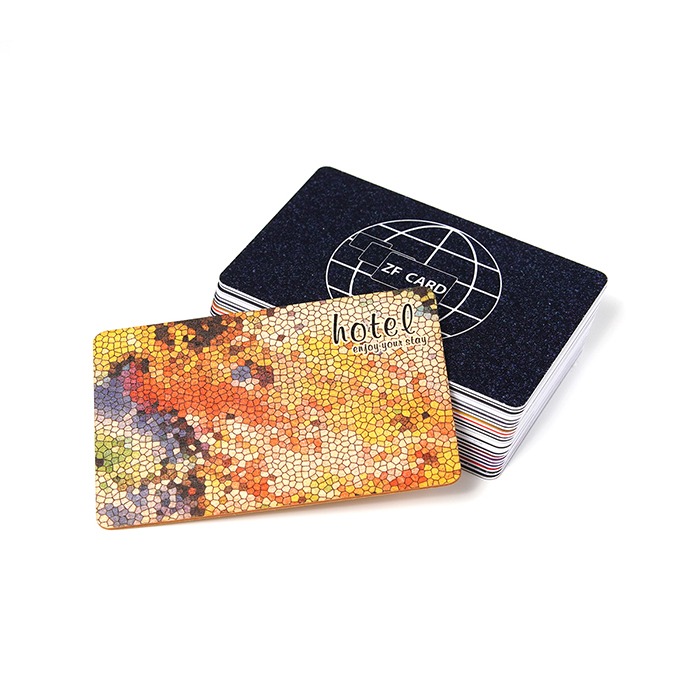
High-end Hotels and Resorts: Many five-star hotels and boutique guesthouses have begun replacing plastic room keys with wooden cards. This not only enhances the overall style of the rooms but also leaves a lasting brand impression on guests.
Luxury Goods & High-End Clubs: VIP membership cards, limited-edition gift cards. The tactile experience of wooden cards is unmatched by plastic, conveying a luxurious yet natural brand style.
Environmentally Friendly Events: Access passes to international environmental conferences, business cards for green energy companies. Using wooden cards aligns perfectly with the event theme, enhancing its impact.
Conclusion
PVC cards are better suited for projects with high functionality, high usage frequency, and the need for smart integration; wooden cards are better suited for brand display, high-end positioning, and environmentally conscious scenarios. For most companies, choosing the right cards is not just a matter of materials, but also a reflection of supply chain and technological capabilities. Therefore, partnering with a professional smart card manufacturer can provide more comprehensive support in design, production, and functionality implementation.
As an experienced card supplier, ZFCard has mature capabilities in the customization and production of PVC and wooden cards, and can provide professional solutions based on the needs of different industries, helping companies achieve both functional and brand enhancement.