

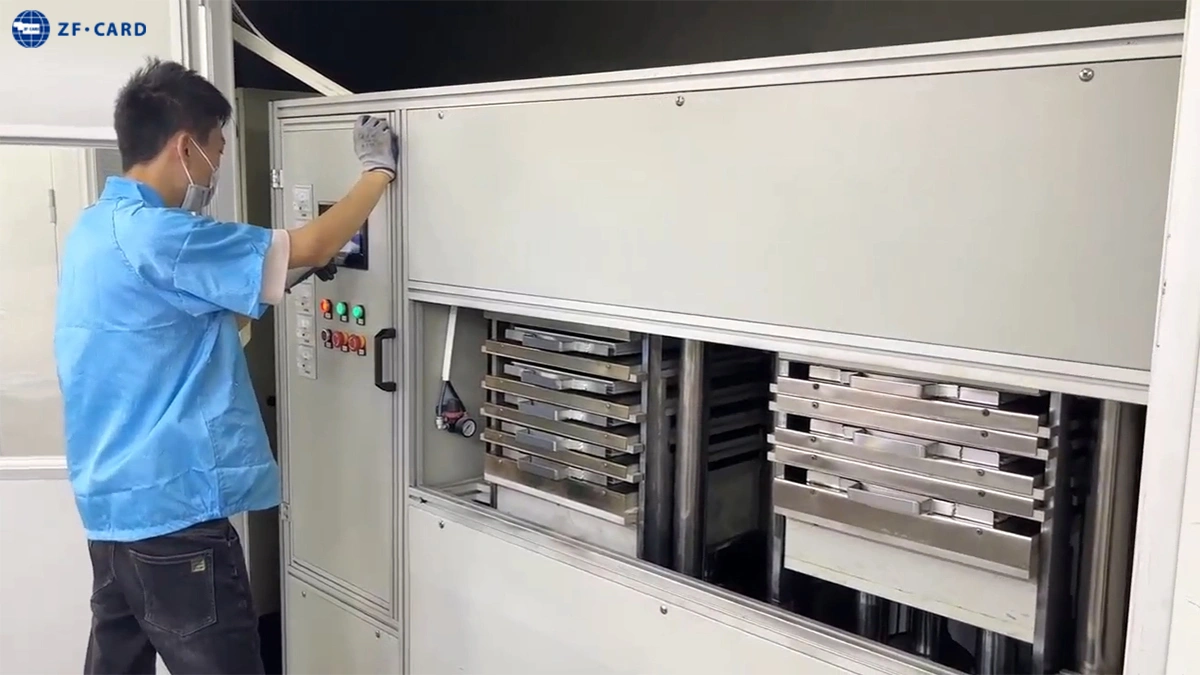
Are RFID cards waterproof? For everyday splashes or damp handling, a standard PVC-based RFID card is generally a practical option. But “waterproof” is not a universal specification. The finished construction, added features, cleaning process, and the project’s acceptance conditions still need to be defined before a buyer treats a card as suitable for a particular use.
That distinction matters for access cards, identity cards, hotel key cards, and other credentials used around wet hands, occasional splashes, cleaning routines, or outdoor transitions. Before choosing a material or asking for a sample, turn “waterproof” into clear operating conditions and acceptance questions.
“Waterproof” Is a Project Requirement, Not a Material Name
“Waterproof” can describe very different situations. A card carried between an office and a parking area does not face the same conditions as a card used by staff with wet hands. A hotel key card handled near a pool is different from a credential that is cleaned as part of a regular operating routine.
Start by describing what the card will actually encounter: occasional splashes, repeated damp handling, short liquid contact, humid storage, or a defined cleaning process. Record how often this occurs and whether the card is carried in a holder, pocket, or lanyard. These details give the manufacturing discussion a useful starting point.
Material is still relevant, but it is only one part of the decision. PVC may be part of an RFID-card construction, but a material name does not establish the performance of every finished card or every customized construction. It also does not answer how a particular card with printing, a slot, a magnetic stripe, a signature panel, or another finishing requirement should be assessed for a specific project.
Which Parts of an RFID Card Need to Be Considered
An RFID card is more than the visible card face. In a typical RFID-card construction, the chip and antenna sit within the card body. The card substrate provides the physical structure around those components. PVC, PET, and ABS are among the materials used in general RFID-card contexts, but the material name alone does not define the finished card.
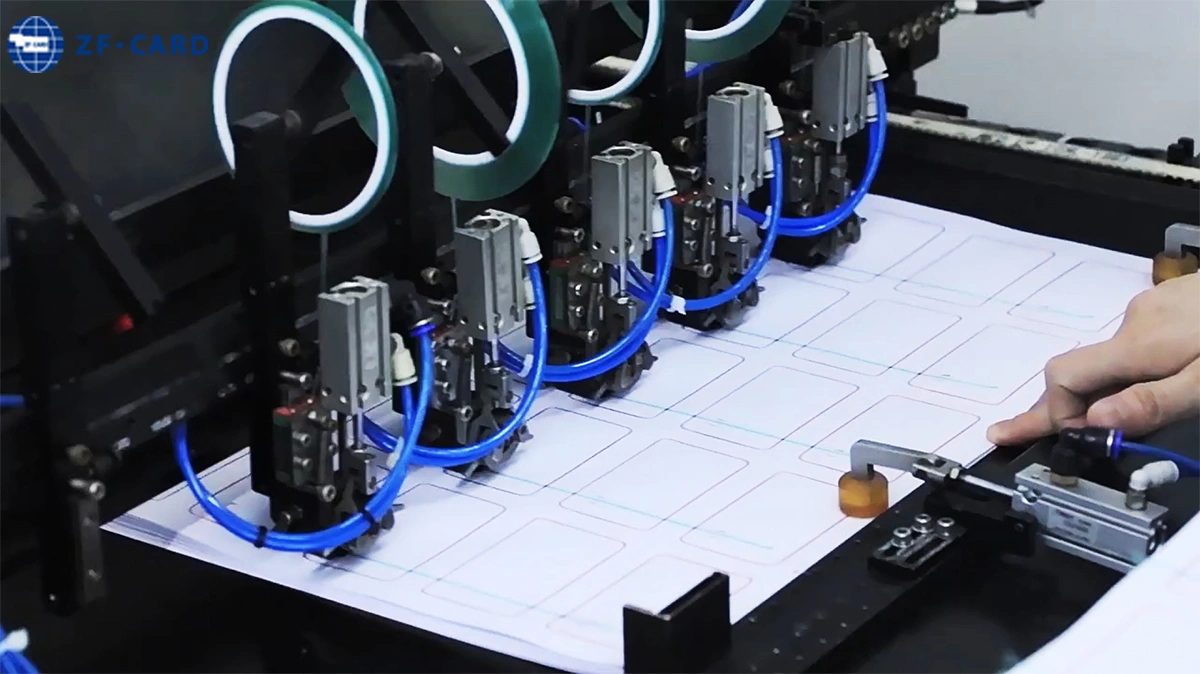
RFID card antenna-inlay production process.
PVC is a practical starting material for a conventional RFID access or identity card that will face everyday splashes or damp handling. A laminated PVC card body is a familiar format for projects that need printing, personalization, and an embedded chip and antenna in a standard card form. It should not be presented as a universal answer for immersion, repeated cleaning, or every customized finish.
For an environmental-use discussion, describe the complete construction that the project needs: the base card material, laminated card body, finished surfaces, printed design, and required personalization or finishing. Added features belong in that same construction brief, rather than being treated as afterthoughts.
Lamination is part of that finished-card discussion. A buyer does not need to prescribe a manufacturing process, but should disclose the use conditions that the finished construction needs to address. This gives the manufacturer a clearer basis for discussing the card body, surface requirements, and sample scope together. Where a project calls for a different plastic material, the choice should be tied to the actual exposure and finished construction, not a generic claim that one material is always “more waterproof” than another.
If a reader needs a basic explanation of the embedded components first, see what RFID cards are and how they work.
How Use Conditions Change the Card Specification
For everyday moisture, state the normal handling situation and begin with a standard laminated PVC-based card construction. For immersion, repeated cleaning, unusual finishing, or another defined exposure, make the requirement project-specific. The project brief should identify the exposure, relevant handling process, and any conditions that the project owner expects to review before bulk production.
Do not treat short liquid contact, humid storage, and repeated cleaning as interchangeable. Separating those conditions helps the manufacturer ask the right follow-up questions and gives the project owner a practical basis for setting sample acceptance conditions.
Use the following distinctions when preparing the project brief:
- Everyday indoor use: State where the card is used, how it is carried, and whether moisture is only incidental.
- Damp handling during operation: Identify who handles the card, when the exposure occurs, and whether the card needs to be presented to a reader immediately afterward.
- Defined cleaning routine: Describe the operating process, the materials used, how often it occurs, and whether any surface feature is part of the requirement.
- Outdoor or transition use: Record whether cards move between indoor and outdoor areas, how they are stored, and whether the exposure is seasonal or routine.
This format does not predetermine a material choice. It gives both the buyer and manufacturer a shared description of the actual use conditions before they discuss the final card construction.
Questions to Ask Before Selecting Material and Construction
Before requesting a quotation or sample, prepare a short project brief that answers the following questions:
- Where will the cards be used, and what type of moisture exposure is expected?
- Is the exposure occasional, repeated, or part of a routine process?
- Does the operating team use a defined cleaning or disinfection method? If so, provide the method and relevant product information.
- What card format, artwork, printing, personalization, and finishing are required?
- Are there slots, signature panels, magnetic stripes, barcodes, or other added features?
- Which reader, lock, or identification system will the card work with?
- What acceptance conditions will the project owner use when reviewing a sample?
This information makes a request more useful than a material-only question. It lets the discussion cover both the physical card and the reader system without confusing environmental suitability with chip or frequency compatibility. Keep those decisions connected, but separate: the use environment guides the construction questions, while the existing system guides the RFID-chip and reader-matching questions.
To turn those details into a quotation-ready request, see custom RFID card order checklist.
Why Sample Testing Matters Before a Bulk Order
For a project with defined use conditions, a sample provides a practical review point before bulk production. It should represent the construction and features that matter to the project, not only the basic card shape or artwork.
Agree in advance what will be reviewed, including relevant handling, reader or lock operation, artwork, finishing, and material environmental conditions. If the final card includes an unusual finish or cleaning routine, include it before the bulk specification is fixed. A sample review supports the conditions the project has defined; it does not prove performance beyond them.
Keep the sample review focused. A reader or lock check answers a system-matching question, while the agreed handling and environmental review answers a construction question. Recording both prevents a successful reader test from being treated as proof of every other project requirement.
For the wider order sequence, including sample type, encoding, and bulk-order requirements, see custom RFID cards, samples, encoding, and bulk order requirements.
Conclusion
Do not decide whether an RFID card is suitable for moisture exposure from a material name alone. Define the expected exposure, finished construction, and system requirements first, then review a representative sample against the conditions that matter to the project.
If you are sourcing RFID cards for a moisture-exposed application, share the operating conditions and card requirements. ZFCARD can then discuss an appropriate construction and sample approach for your project.